1 ఉద్యోగాలు చూపిస్తోంది
క్రమంలో చేయండి:
తాజా పైన

 ₹8,000 – ₹11,000
 mumbai, MAHARASHTRA
ప్రపంచ ఫైబర్-టు-క్లోతింగ్ సరఫరా గొలుసు ఆధునిక ఆర్థిక వ్యవస్థలో అతిపెద్ద ఉపాధి యంత్రాల్లో ఒకటిగా నిలుస్తుంది. ఈ విస్తృత నెట్వర్క్ జిల్లా పారిశ్రామిక రంగం ద్వారా ముడి వ్యవసాయ ఇన్పుట్ను పూర్తైన ఫ్యాషన్ ఉత్పత్తులుగా మారుస్తుంది. ప్రతి దశకు చేతి నైపుణ్యం, సాంకేతిక నైపుణ్యం, మరియు సృజనాత్మక దృక్కోణం యొక్క ప్రత్యేక కలయిక అవసరం. ప్రతి శాఖలోని నిర్దిష్ట పాత్రలను అర్థం చేసుకోవడం ఉద్యోగార్థులు ఈ పోటీ ఉద్యోగ మార్కెట్ను నావిగేట్ చేయడంలో సహాయపడుతుంది.
టెక్స్టైల్ రంగంలో సాంకేతిక కెరీర్
టెక్స్టైల్ రంగం ముడి ఫైబర్ను ఉపయోగించగల గుడ్డగా మార్చి సరఫరా గొలుసుకు పునాదిగా సేవ చేస్తుంది. ఈ రంగంలోని నిపుణులు పదార్థాలను ఇంజినీర్ చేయడానికి రసాయన శాస్త్రం, భౌతిక శాస్త్రం, మరియు భారీ యంత్రాలతో దగ్గరగా పనిచేస్తారు.
టెక్స్టైల్ టెక్నాలజీ
కృత్రిమ ఫైబర్, స్మార్ట్ టెక్స్టైల్స్, మరియు స్థిరమైన పదార్థాలలో పరిశోధన మరియు అభివృద్ధి ఆవిష్కరణ.
స్పిన్నింగ్ మరియు వీవింగ్ ఇంజినీర్
ముడి పత్తి లేదా చెట్టును స్థిరమైన యార్న్ లైన్లుగా మార్చడానికి భారీ పరిశ్రమ యంత్రాలను కాలిబ్రేట్ చేయండి.
కలర్ కెమిస్టులు
గుడ్డ రంగు దీర్ఘాయుష్షును నిర్ధారించడానికి ఖచ్చితమైన రసాయన రంగులు మరియు ఫినిషింగ్ చికిత్సలను రూపొందించండి.
క్వాలిటీ అష్యూరెన్స్ ఆడిటర్లు
ముడి పదార్థాల బ్యాచ్ను అంతర్జాతీయ భద్రత, టెన్సైల్ బలం, మరియు మన్నిక ప్రమాణాలపై పరిశీలించండి.
ప్లాంట్ మెయింటెనెన్స్ టెక్నీషియన్
యాంత్రిక డౌన్టైమ్ లేకుండా హై-స్పీడ్ ఆటోమేటెడ్ లూమ్స్ మరియు స్పిన్నింగ్ ఫ్రేమ్స్ సజావుగా నడిచేలా ఉంచండి.
ఫైబర్ ప్రొక్యూర్మెంట్ అధికారులు
ప్రపంచ వ్యవసాయం మరియు రసాయన సరఫరాదారుల నుండి ముడి పత్తి, పట్టు, గొర్రెబొచ్చు, మరియు కృత్రిమ పాలిమర్ను పొందండి.
పర్యావరణ ఆరోగ్య నిపుణుడు
రసాయన రంగుల సురక్షిత పారుదల కోసం టెక్స్టైల్ మిల్లుల్లో వ్యర్థజల శుద్ధి ప్లాంట్లను నిర్వహించండి.
అప్పారెల్ తయారీలో సృజనాత్మక మరియు కార్యాచరణ పాత్రలు
గుడ్డ మిల్లుల నుండి బయటకు వచ్చిన తరువాత, వినియోగదారుల దుస్తులను డిజైన్ చేయడానికి, కత్తిరించడానికి, మరియు కుట్టడానికి అప్పారెల్ మరియు గార్మెంట్ పరిశ్రమ బాధ్యత తీసుకుంటుంది. ఈ రంగం కళాత్మక వ్యక్తీకరణను కఠినమైన భారీ ఉత్పత్తి గడువులతో సమతుల్యం చేస్తుంది.
అప్పారెల్ డిజైనర్'s
ఉద్భవిస్తున్న ప్రపంచ వినియోగదారు ధోరణులు మరియు ప్రాంతీయ సౌందర్యాన్ని ఆధారంగా చేసుకుని ఒక అసలైన సీజనల్ దుస్తుల కాన్సెప్ట్ను రూపొందించండి.
టెక్నికల్ ప్యాటర్న్ మేకర్లు
రెండు-కొలమాన స్కెచ్లను ఆటోమేటెడ్ ఫాబ్రిక్-కట్టింగ్ యంత్రానికి ఖచ్చితమైన డిజిటల్ బ్లూప్రింట్లుగా మార్పు చేయండి.
గార్మెంట్ మర్చండైజ్
సరఫరాదారులతో ముడి పదార్థాల ఖర్చులపై చర్చించి, అంతర్జాతీయ రిటైల్ బ్రాండ్ల కోసం ఉత్పత్తి షెడ్యూల్లను సమన్వయం చేయండి.
ఇండస్ట్రియల్ సీవింగ్ ఆపరేటర్
బల్క్ దుస్తుల ఆర్డర్ల కోసం ప్రత్యేక అసెంబ్లీ లైన్లపై హై-స్పీడ్ ఖచ్చితమైన స్టిచింగ్ చేయండి.
లైన్ సూపర్వైజర్
ఉత్పత్తి బృందం కఠినమైన లక్ష్య డెలివరీ కోటాలను చేరుకుంటోందని నిర్ధారించడానికి రోజువారీ ఫ్యాక్టరీ ఫ్లోర్ అవుట్పుట్ను పర్యవేక్షించండి.
సోర్సింగ్ స్పెషలిస్ట్
తక్కువ ధర, అధిక నాణ్యత గల బటన్లు, జిప్పర్లు, లైనింగ్లు, మరియు అలంకార ట్రిమ్లను కనుగొనడానికి అంతర్జాతీయంగా ప్రయాణించండి.
సాంప్లింగ్ టైలర్
పెద్ద ఉత్పత్తి ప్రారంభానికి ముందు ఫిట్ మరియు డిజైన్ సాధ్యతను పరీక్షించడానికి ప్రారంభ ప్రోటోటైప్ దుస్తును నిర్మించండి.
లాజిస్టిక్స్ కోఆర్డినేటర్
ప్యాక్ చేసిన దుస్తుల రవాణాను ఫ్యాక్టరీ గోదాం నుండి ప్రపంచ రిటైల్ పంపిణీ కేంద్రాలకు నిర్వహించండి.
వారసత్వం పరిరక్షించబడింది
హ్యాండ్లూమ్ రంగం భారీ ఫ్యాక్టరీ ఆటోమేషన్కు బయట పనిచేస్తుంది, బదులుగా మానవ కృషి, సంస్కృతి పరిరక్షణ, మరియు స్థిరమైన ఉత్పత్తిపై దృష్టి పెడుతుంది.
మాస్టర్ వీవర్
ఆటోమేటెడ్ యంత్రాలు సులభంగా పునరుత్పత్తి చేయలేని సంక్లిష్ట నమూనాలను సృష్టించడానికి ఒక చెక్క హ్యాండ్లూమ్ను చేతితో నడపండి.
వార్పింగ్ స్పెషలిస్ట్
నేత ప్రక్రియ ప్రారంభమయ్యే ముందు లూమ్ ఫ్రేమ్పై వేలాది వ్యక్తిగత దారాలను అమర్చండి.
నేచురల్ డై ఆర్టిజన్స్
కఠినమైన రసాయనాలు లేకుండా యార్న్కు రంగు ఇవ్వడానికి మొక్కలు, వేర్లు, మరియు ఖనిజాల నుండి సేంద్రీయ వర్ణకాలను తీయండి.
కోఆపరేటివ్ మేనేజర్
గ్రామీణ కళాకార సముదాయం కోసం వ్యాపార కార్యకలాపాలు, ఫెయిర్ ట్రేడ్ సర్టిఫికెట్లు, మరియు ప్రభుత్వ సబ్సిడీ దరఖాస్తులను నిర్వహించండి.
క్రాఫ్ట్ ఎవాంజలిస్ట్
ప్రామాణిక, చేతితో తయారుచేసిన టెక్స్టైల్స్ కోసం చూస్తున్న ఒక హై-ఎండ్ బుటిక్ ఫ్యాషన్ హౌస్తో గ్రామీణ నెయ్యి క్లస్టర్ను కలుపుతున్న వంతెనగా ఉండండి.
యార్న్ విండర్లు
చేతి హ్యాండ్లూమ్ నేయకుడికి సిద్ధంగా ఉండేలా స్పన్ యార్న్ను బాబిన్లపై మరియు షటిల్పై మానవీయంగా మార్చండి.
స్థానిక పరిశ్రమ ఉపాధి ఉద్యోగ అవకాశాన్ని సురక్షితం చేయడం
ఈ రంగం ప్రధానంగా భౌగోళిక స్థానంపై ఆధారపడి ఉంటుంది, ఉత్పత్తి కేంద్రాలు ప్రధాన రవాణా మార్గాలు మరియు పోర్టుల దగ్గర గుంపుగా ఉంటాయి. పరిశ్రమ పార్క్ డైరెక్టర్ను సందర్శించడం, ప్రాంతీయ టెక్స్టైల్ ఎంప్లాయ్మెంట్ ఎక్స్చేంజ్లో నమోదు చేసుకోవడం, మరియు ఫ్యాషన్ రిటైల్ కార్పొరేట్ కెరీర్ పోర్టల్ను పర్యవేక్షించడం ద్వారా ఉద్యోగార్థులు సమీప అవకాశాలను కనుగొనగలరు.
మీరు అప్పారెల్, గార్మెంట్స్, టెక్స్టైల్ & హ్యాండ్లూమ్స్ రంగంలో ఉద్యోగం కోసం చూస్తుంటే, మీరు దాన్ని JobsYahan.

ప్రత్యేక డిమాండ్
దరఖాస్తును పూరించి మీ ప్రొఫైల్ను పలువురు యజమానులతో పంచుకోండి
సమీపంలోని ఉద్యోగాలుబహుళ భాషలుధృవీకరించబడిన యజమానులు
మీ తదుపరి ఉద్యోగం కేవలం ఒక టాప్ దూరంలో ఉంది
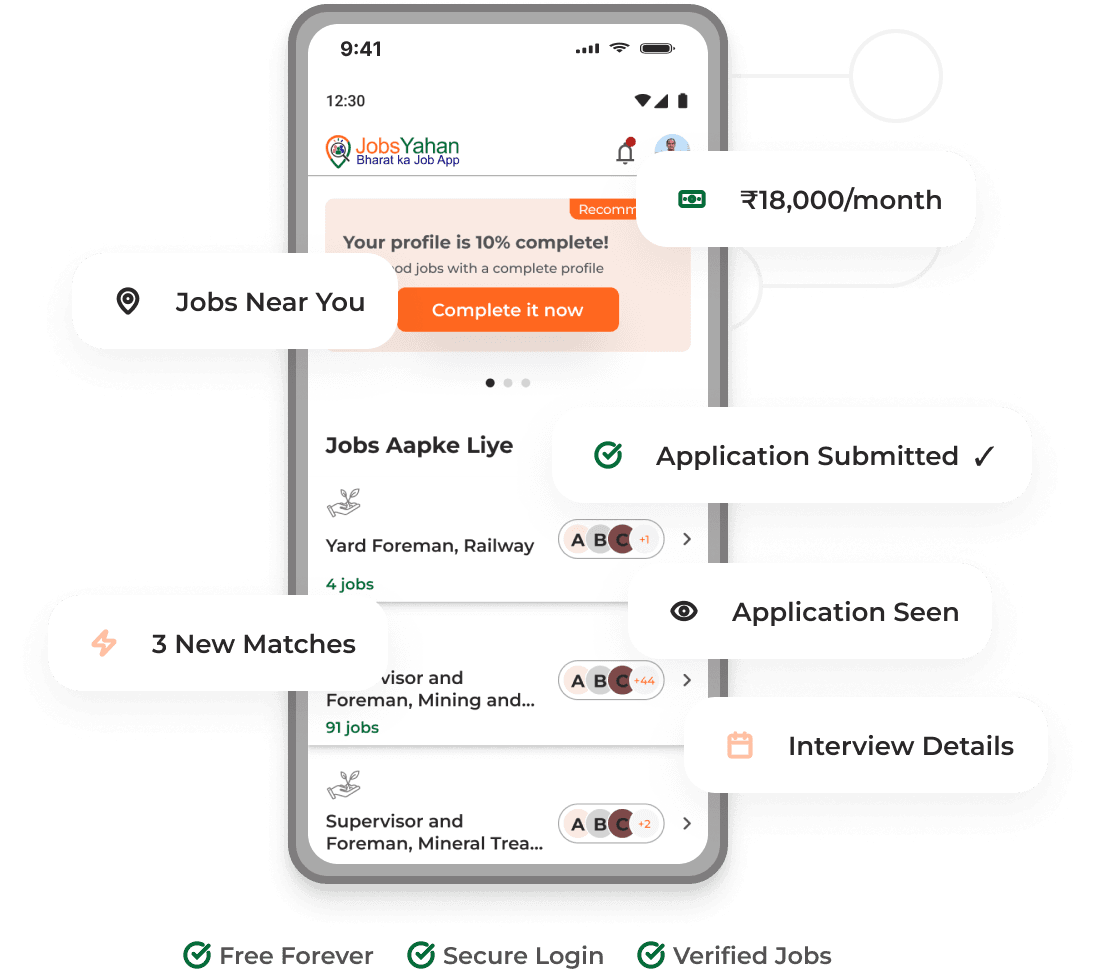
అనేక చోట్ల వెతకడం మానేయండి.మీ ప్రాంతానికి దగ్గరలో ఉన్న ధృవీకరించబడిన ఉద్యోగాలను కనుగొనడంలో JobsYahan యాప్ మీకు సహాయపడుతుంది.వెంటనే దరఖాస్తు చేసుకోండి మరియు యజమానులతో నేరుగా సంప్రదించండి.
యాప్ డౌన్లోడ్ చేయండిసమీపంలోని ఉద్యోగాలుబహుళ భాషలుధృవీకరించబడిన యజమానులు