

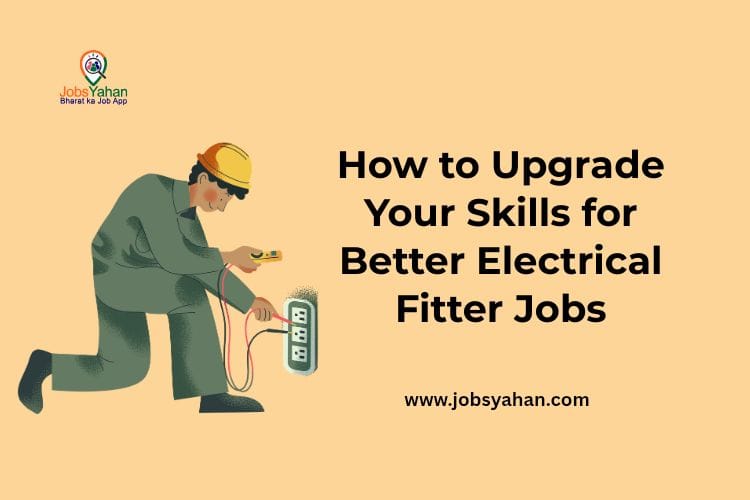
The electrical fitters play a role in installing, maintaining, and repairing electrical systems in industries like manufacturing, construction, power generation, and transportation. As industries adopt technologies and automation, employers want skilled professionals who can handle modern electrical equipment and complex systems.
If you want to secure paying electrical fitter jobs, upgrading your skills is a great investment. Whether you're a beginner or an experienced technician, continuous learning can improve your chances of getting a job, increase your salary, and help you access better career opportunities.
In this guide, we'll explore the valuable skills, certifications, and strategies to help you advance in electrical fitter jobs and find rewarding electrical fitter jobs.
Why Skill Upgradation Matters
- Better job opportunities
- Higher salary packages
- Increased job security
- Faster career growth
- Eligibility for roles
- Greater confidence in handling electrical systems.
- Industrial wiring systems
- Cable routing techniques
- Electrical panel assembly
- Circuit connections
- Earthing and grounding systems
Practicing installation procedures and understanding wiring standards can significantly improve your job prospects.
Electrical Drawing and Blueprint Reading
Many employers seek fitters who can accurately interpret the following:
- Single-line diagrams
- Circuit diagrams
- Control panel layouts.
Electrical fitters are very important for installing and maintaining systems in many industries like manufacturing, construction, and transportation. These days, companies want people who can work with electrical equipment and complex systems.
If you want a job as an electrical fitter, learning new skills is a great idea. This is true whether you are just starting out or have been working as a technician for a while. The more you learn, the better your chances of getting a job and earning more money.
In this guide, we will talk about the skills and certifications you need to get a job as an electrical fitter.
What Does an Electrical Fitter Do
A fitter's job is to put together, install, test, and maintain electrical equipment and systems. Some of the things they do include:
- Reading drawings and plans
- Wiring panels and control systems
- Installing motors and other equipment
- Fixing electrical problems
- Doing maintenance work to prevent problems
- Making sure everything is safe
These days, companies need fitters who are good with new technologies and safety rules.
Why You Should Upgrade Your Skills
The electrical industry is always changing. New machines and technologies are being made. This means that electrical fitters need to learn new skills to keep up.
If you upgrade your skills, you can get job opportunities, earn more money, and have more job security.
Important Technical Skills for Electrical Fitters
Electrical Wiring and Installation
Electrical fitters need to be good at wiring and installing systems. This includes understanding wiring systems, cable routing techniques, and electrical panel assembly.
If you practice installing systems and learn about wiring standards, you will be more likely to get a good job.
Reading Drawings and Plans
Many companies want electrical fitters who can read technical drawings and plans. This includes understanding single-line diagrams, circuit diagrams, and control panel layouts.
Motor Control Systems
Industrial facilities use different motors and control systems. Electrical fitters should know about AC and DC motors, star-delta starters, and variable frequency drives.
If you know about motor control systems, you will be able to get jobs in manufacturing and production plants.
PLC and Automation Basics
Automation is changing the way industries work, and electrical fitters should know about logic controllers, sensors, and actuators.
Even basic knowledge of PLCs can help you get a job.
Get Industry Certifications
Some valuable certifications for fitters include industrial electrician certification, electrical safety training, and PLC programming courses.
If you have certifications, you will be more likely to get a job.
Improve Your Digital Skills
These days, electrical systems use a lot of tools. Electrical fitters should know about computer basics, maintenance software, digital multimeters, and electrical design software.
Skills are not enough; electrical fitters also need soft skills like communication, teamwork, and time management.
You should be able to report problems, work with others, and manage your time well.
If you have soft skills, you will be able to work well with others and get more done.
Energy is a growing field, and electrical fitters should learn about solar power systems, wind energy installations, and energy-efficient technologies.
If you know about energy systems, you will have more job opportunities and be able to work in a field that is good for the environment.
You can search for job opportunities by using location-based searches like Electrical Fitter Jobs near me.
Career Growth Opportunities
If you have skills and experience, you can move up in your career to roles like senior electrical fitter, maintenance technician, electrical supervisor, industrial electrician, automation technician, electrical inspector, and maintenance manager.
The key to career advancement is learning and professional development.
The demand for electrical fitters is growing as industries adopt new technologies.
If you upgrade your skills, earn certifications, and gain experience, you will be able to get better job opportunities and higher salaries.
Remember to keep learning and stay up-to-date with industry trends to build a successful and long-lasting career as an electrical fitter. You can search and find electrical fitter jobs on JobsYahan,